You don’t need a fancy telescope or expensive gear to start exploring the night sky. In fact, one of the most powerful tools for beginners is absolutely free: star charts and sky maps. Whether you’re learning to identify constellations or planning your first stargazing night, these simple visual tools are the gateway to understanding the cosmos.
In this guide, we’ll cover why star charts matter, where to find high-quality free options, how to use them effectively, and which ones are best suited for beginner stargazers in 2025.
1. Why Free Star Charts Are a Must for Beginners
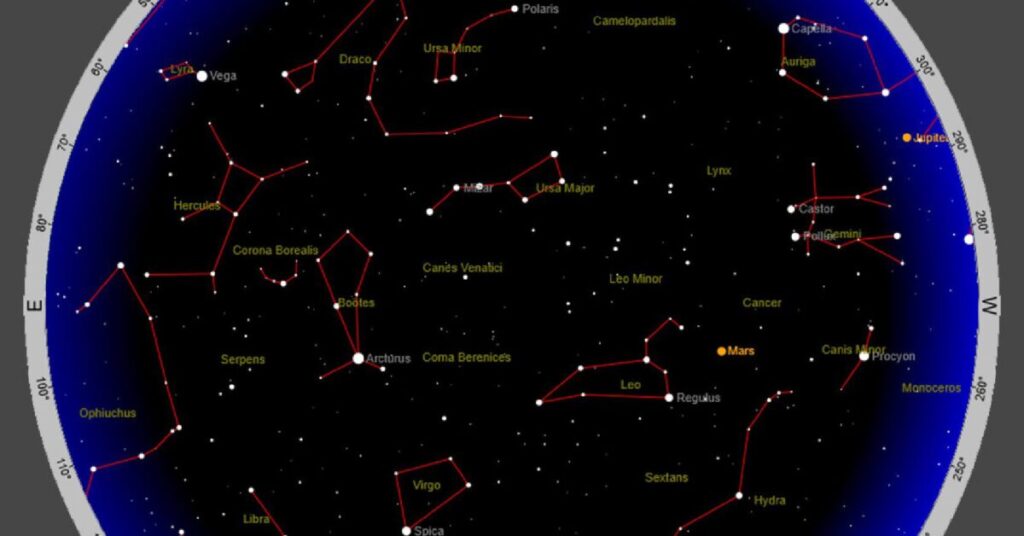
A star chart is like a celestial roadmap. Just like you wouldn’t drive across a new city without GPS or a map, navigating the night sky without a chart can be confusing, especially if you’re just starting out. Star charts offer visual guidance to help you find stars, constellations, planets, and deep-sky objects.
Key Benefits of Free Star Charts:
- Cost-Free: You don’t need to spend a dime
- Portable: Print and take it anywhere—great for field trips
- Seasonal Guidance: Shows what’s visible by month or time
- Improves Recognition: Helps with learning star names and patterns
- Telescope Friendly: Essential for telescope setup and target alignment
Most star charts are updated monthly or seasonally and are location-based, which makes them accurate and easy to use. Once you download or print one, you can store it with your telescope, keep it in your stargazing journal, or bring it along during camping trips.
2. Best Websites for Free Star Charts & Sky Maps
There are several reliable sources that offer downloadable, high-quality star charts tailored for beginners. These websites regularly update their resources and often include guides for what to look for each month.
1. SkyMaps.com
- Offers free monthly sky charts in PDF format
- Includes objects visible with the naked eye, binoculars, and telescopes
- Provides detailed guides per hemisphere
- Suitable for beginners to advanced amateurs
2. Stellarium.org
- Powerful open-source planetarium software for PC, Mac, and Linux
- Also available as a mobile app
- Simulates the night sky in real-time based on your location
- Interactive features allow zooming, tracking planets, and time travel
3. In-The-Sky.org
- Customizable interactive star maps
- Based on your geographic location and time
- Supports various viewing modes: naked eye, binoculars, or telescopes
- Includes event calendars and ISS tracking features
4. Sky & Telescope (SkyandTelescope.org)
- Offers downloadable monthly star charts and printable “Star Wheels”
- Articles and observing guides for newcomers and enthusiasts
- Includes details on meteor showers, lunar phases, and visible planets
5. NASA’s Night Sky Network
- Designed for educators, students, and families
- Printable star maps and constellation story guides
- Great for organizing group stargazing nights or school programs
3. How to Read and Use Free Star Charts
Star charts can feel confusing at first, especially since they’re typically circular and mirror the sky’s rotation. But with a few simple steps, anyone can get the hang of it.
Step-by-Step Guide for Beginners:
- Orient the Chart Properly: Hold the chart above your head with the correct direction (North, South, East, West) facing the actual horizon.
- Check the Date and Time: Use a chart that matches your current month and approximate viewing time.
- Find Familiar Constellations First: Start with easy-to-recognize constellations such as Orion, the Big Dipper, or Cassiopeia.
- Use a Red Flashlight at Night: White light ruins your night vision. Use a red LED flashlight or cover a flashlight with red cellophane.
- Match Patterns in the Sky: Compare star patterns on your chart with what you see overhead. Practice regularly.
Pro Tip: Print your charts on thicker paper or laminate them for durability, especially if you’re going stargazing in dewy or humid conditions.
4. Printable vs. Digital Star Charts: Which One Should You Use?
Both formats have advantages depending on your situation. For a complete experience, many beginners benefit from using both.
| Format | Pros | Cons |
|---|---|---|
| Printable | No battery needed, lightweight, easy for hands-on learning | Less customizable |
| Digital | Interactive, real-time sky view, location-aware | Dependent on battery/device use |
When to Use Each:
- Use Printable Charts during long observation sessions, school outings, or when conserving battery is essential.
- Use Digital Apps like Stellarium or Sky Guide when you’re trying to quickly identify planets, track satellites, or visualize future sky events.
5. Top Tips for Stargazing with Star Maps
- Start with Naked Eye Observations: Learn how stars move and identify constellations without any equipment first.
- Learn the Brightest Stars First: Focus on Sirius, Vega, Altair, Betelgeuse, and Polaris to orient yourself.
- Break the Sky into Quadrants: Study one direction at a time to reduce overwhelm.
- Observe the Sky Over Several Nights: Track changes over time to understand celestial motion.
- Join an Astronomy Club or Attend Star Parties: Get star maps, hands-on help, and telescope access from fellow stargazers.
Final Thoughts: Exploring the Night Sky for Free
Free star charts and sky maps are the beginner stargazer’s best friend. They offer a cost-effective, educational, and accessible entry point into astronomy. With just a printed chart and a clear sky, you can locate constellations, recognize planets, and develop a personal connection to the cosmos.
As you build confidence, consider adding binoculars or a starter telescope to your toolkit. But even without equipment, your understanding of the stars will grow each night you look up with intention and a map in hand.
So grab a free chart, head outside, and begin your journey under the stars—no experience or budget required.