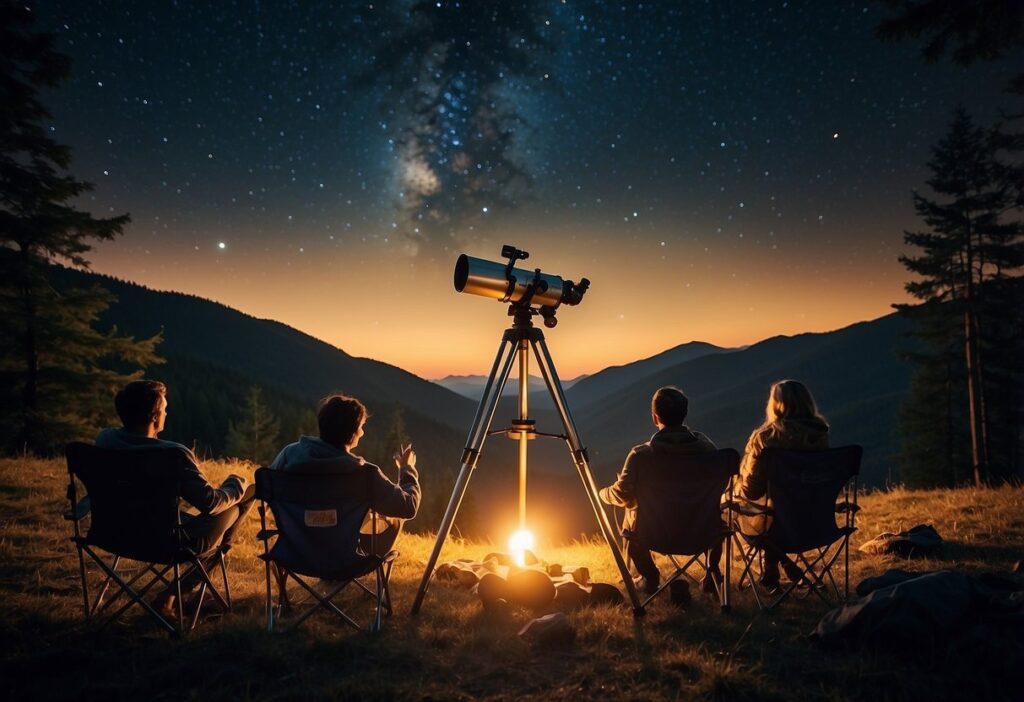
You don’t need to live in a remote desert or mountain range to enjoy the stars. While light pollution dims the night sky, it doesn’t erase it entirely. Even in cities flooded with artificial light, stargazing is still possible—and rewarding—if you know where to look and what to expect.
In this guide, we’ll explore how to stargaze effectively from light-polluted areas, what celestial objects are still visible, and practical tips to maximize your urban astronomy experience.
Understanding Light Pollution
Light pollution is the excessive or misdirected artificial light produced by cities, streetlights, buildings, and vehicles. It creates a hazy glow in the sky, known as skyglow, which washes out faint stars and deep-sky objects.
Main Types of Light Pollution:
- Skyglow – general glow over populated areas
- Glare – intense light that causes visual discomfort
- Clutter – too many light sources in one area
- Light trespass – unwanted light spilling into your observing zone
Despite these challenges, stargazing from a light-polluted area is far from useless. You can still see bright stars, planets, the Moon, and more.
What You Can Still See in Light-Polluted Skies
Light pollution makes it hard to spot faint galaxies and distant nebulae, but many celestial wonders remain visible to the naked eye or with binoculars—even in cities.
1. The Moon
The Moon is the most visible object in the night sky, no matter your location. It’s bright, detailed, and easy to observe even during full moon phases.
Tip: Use a pair of binoculars or a small telescope to view craters, lunar seas, and surface textures.
2. Planets
- Venus – Extremely bright; visible just after sunset or before sunrise
- Jupiter – Appears as a brilliant star; binoculars reveal its moons
- Saturn – Yellowish and less bright; small telescopes show its rings
- Mars – Reddish tint; brightness varies depending on its orbit
3. Bright Stars
- Sirius – The brightest star in the night sky
- Vega, Arcturus, Betelgeuse, and Rigel – All visible even under heavy light pollution
- Polaris (North Star) – Useful for navigation and visible from northern latitudes
4. Constellations
While faint stars in a constellation may disappear, the brighter stars in major constellations remain visible.
- Orion – One of the best for urban observers (especially Orion’s Belt)
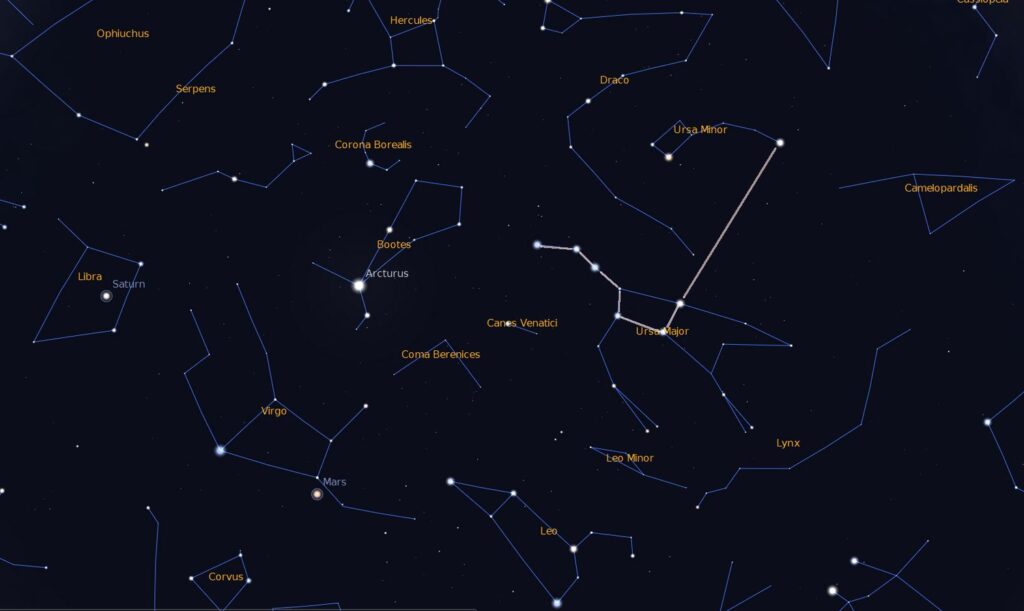
- The Big Dipper – Recognizable even with background glow
- Cassiopeia, Leo, and Cygnus – Often visible depending on the season
Use a free star chart to help identify these patterns even in low-visibility conditions.
5. ISS and Satellites
The International Space Station (ISS) and many satellites are brighter than stars and can be seen with the naked eye.
Check websites like Heavens-Above or apps like Stellarium to track upcoming flyovers.
Where and When to Stargaze in a City
You can greatly improve your urban stargazing experience by adjusting your location and timing.
Best Practices:
- Avoid Direct Lights: Choose a location with minimal streetlights or shielded lighting. Parks, rooftops, or schoolyards often work well.
- Observe During Moonless Nights: The new moon phase offers darker skies and better contrast for viewing stars.
- Go Out Late: Many lights dim after midnight as businesses close, giving you slightly better conditions.
- Use Natural Shadows: Tall buildings or trees can block out surrounding lights and give your eyes time to adjust.
Tools to Enhance Stargazing in Light-Polluted Areas
While you can start with your naked eyes, these tools will help you see more in less-than-ideal conditions:
1. Binoculars
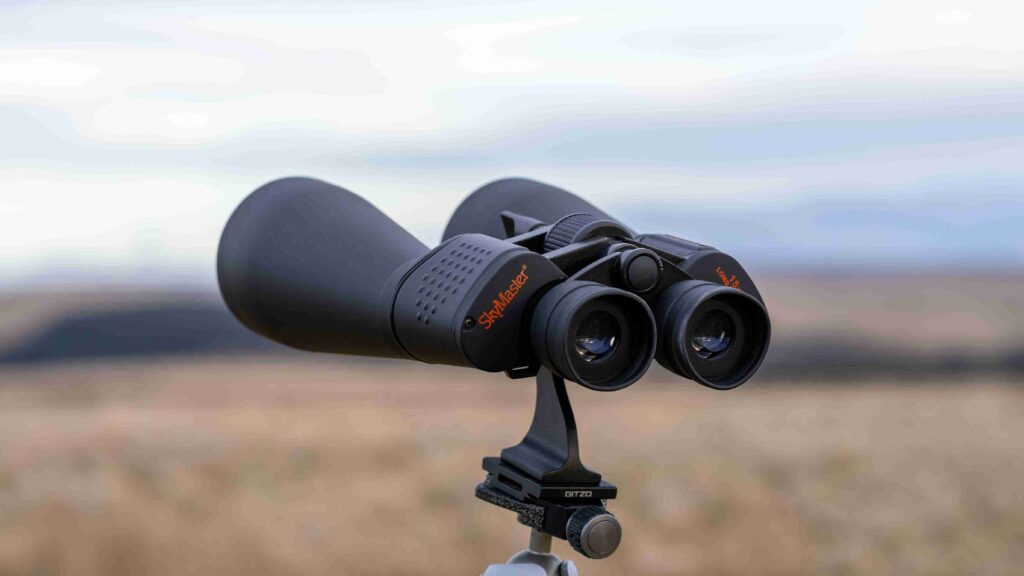
Affordable and portable, binoculars enhance your view of the Moon, star clusters, and bright planets. Choose models like 7×50 or 10×50 for optimal stargazing.
2. Light Pollution Filters
Used with telescopes, these filters reduce skyglow and improve contrast for viewing planets and nebulae.
3. Astronomy Apps
Apps like SkySafari, Stellarium, or Star Walk 2 let you point your phone at the sky to identify stars, planets, and satellites in real time.
4. Red Flashlights
Maintain your night vision with a red LED flashlight or by covering a normal light with red film. This helps you read charts without straining your eyes.
Adjusting Expectations: What You Won’t See
Understanding what you can’t see is just as important as knowing what you can.
Likely Not Visible in Light-Polluted Skies:
- Distant galaxies like Andromeda (unless you’re using a telescope and have a dark corner)
- Faint nebulae and star clusters
- Milky Way core – nearly impossible in bright cities
- Meteor showers – only the brightest fireballs will stand out
That said, many of these can become visible once you drive just 30–60 minutes away from city lights.
Top 5 Tips to Maximize Urban Stargazing
- Dark Adapt Your Eyes: Spend at least 15–20 minutes in darkness before stargazing. Avoid screens and direct lights. Your eyes need time to fully adjust.
- Learn the Brightest Stars First: Focus on recognizing major constellations and stars that stay visible through light pollution.
- Use Star Charts or Apps: Free tools help bridge the gap between what’s theoretically visible and what you can realistically see in your sky.
- Practice Regularly: Your eyes and brain will improve at identifying patterns and dimmer objects over time. Stargazing is a skill that grows with experience.
- Join a Local Astronomy Club: Urban astronomy groups often hold telescope nights and workshops that make observing more social and educational, even under city skies.
Final Thoughts: Stargazing Without Leaving the City
While dark skies offer a more complete view of the universe, light-polluted areas still have plenty to offer. From the glow of the Moon to the dance of Jupiter’s moons and the ISS soaring overhead, urban stargazing is accessible, educational, and inspiring.
You don’t need to wait for a vacation to a dark sky park. With just a bit of preparation and a shift in expectations, you can experience the wonders of space right from your balcony, rooftop, or backyard.
So step outside, look up, and let the city sky reveal what it still has to offer.