Stargazing has always fascinated humans. From ancient civilizations charting the stars to modern-day amateurs exploring the night sky from their backyards, our desire to understand the universe remains constant. But many people wrongly assume you need expensive, high-end equipment to get started. In 2025, that’s no longer the case.
With advancements in telescope technology and a growing market for hobbyist tools, stargazing on a budget is entirely possible. Whether you’re a student, a parent introducing your child to astronomy, or simply someone with a love for the stars, this guide will show you how to start stargazing without breaking the bank.
Why Stargazing Is Worth It
Before we dive into the tools and tips, it’s important to understand why stargazing is such a rewarding hobby. It’s not just about spotting planets or identifying constellations. Stargazing reconnects you with the natural world. It offers peace, perspective, and curiosity. Plus, it’s a hobby that combines education, mindfulness, and fun.
The good news? You don’t need a PhD or a $1,000 telescope to begin. You just need the right mindset and the right tools, most of which are now affordable and accessible for beginners.
Step 1: Know What You Want to See
Before buying anything, decide what you’re interested in observing. Your goals will determine the type of telescope or equipment you need. Some people are fascinated by the moon and planets, while others want to see galaxies, star clusters, and nebulae.
Here’s a quick breakdown:
- Moon and planets: These are bright and close to Earth, so even a small refractor telescope can show impressive detail.
- Deep-sky objects: Nebulae and galaxies require a larger aperture for better light-gathering ability.
- Wide-field views: Binoculars or small reflectors work well for viewing star fields and constellations.
Knowing what excites you helps narrow down the best telescope without overspending.
Step 2: Start with Budget Telescopes for Beginners
You don’t need the most expensive equipment to start. In fact, many top-rated budget telescopes for beginners offer high-quality optics, user-friendly features, and portability—all under $300.
Here are some of the best beginner telescopes in 2025:
- Celestron AstroMaster 70AZ
Type: Refractor
Aperture: 70mm
Mount: Alt-Azimuth
Best For: Moon, planets, and terrestrial viewing
Price: Around $140
Ideal for complete beginners, this telescope is lightweight, easy to assemble, and provides crisp images of the moon’s surface and bright planets. - Orion StarBlast II 4.5 EQ
Type: Newtonian Reflector
Aperture: 114mm
Mount: Equatorial
Best For: Deep-sky viewing, like galaxies and nebulae
Price: Around $240
With its strong light-gathering ability, this telescope is great for exploring deep-sky objects. It may take some practice to use, but it offers great long-term value. - Zhumell Z100 Tabletop Reflector
Type: Reflector
Aperture: 100mm
Mount: Tabletop Dobsonian
Best For: Portability and wide views
Price: Around $130
This compact model is perfect for travelers or anyone with limited space. It delivers surprisingly clear images for such a small and affordable scope. - Celestron StarSense Explorer LT 80AZ
Type: Refractor
Aperture: 80mm
Mount: Alt-Azimuth
Best For: Smartphone-guided star tracking
Price: Around $190
Pair this telescope with the StarSense app and your smartphone to easily locate stars and planets. It’s ideal for beginners who want tech-assisted guidance. - Meade Polaris 130 EQ
Type: Newtonian Reflector
Aperture: 130mm
Mount: German Equatorial
Best For: High-powered viewing
Price: Around $260
This powerful telescope delivers excellent views of both planets and deep-sky objects. It comes with multiple eyepieces and learning resources to help you grow in the hobby.
Step 3: Don’t Overlook Binoculars
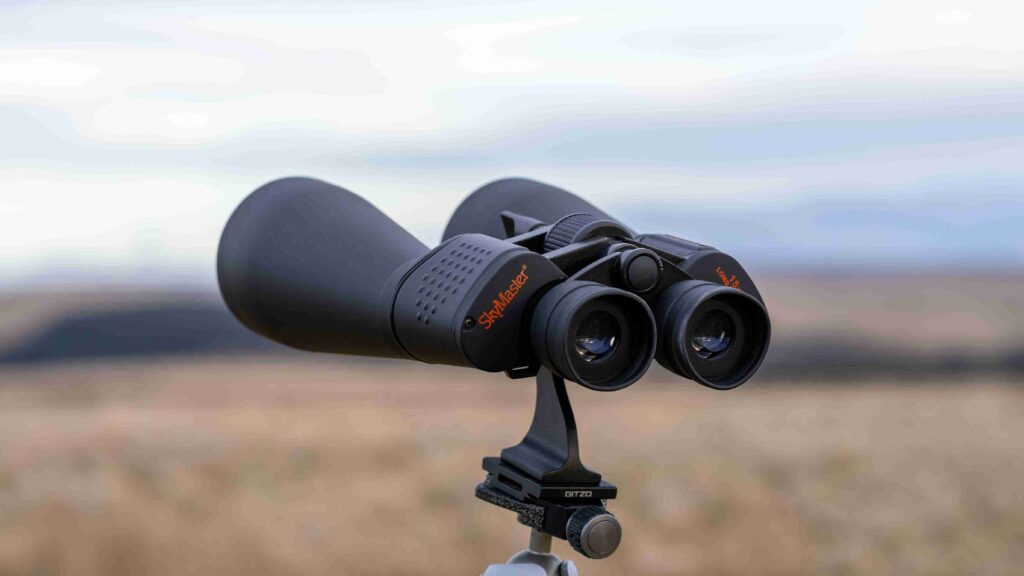
Before purchasing a telescope, many stargazers start with binoculars—and it’s a smart move. Binoculars offer wide views of the sky, require no setup, and help you get familiar with navigating the night sky.
Look for binoculars with these features:
- Magnification: 7x to 10x
- Objective Lens Size: 50mm (marked as 10×50, for example)
- Coated optics: For brighter and clearer images
You can see craters on the moon, the phases of Venus, Jupiter’s moons, and even bright star clusters—all with a decent pair of binoculars costing under $100.
Step 4: Use Free Astronomy Apps
You don’t need to memorize every star and constellation. There are excellent smartphone apps that help you identify what you’re seeing.
Here are a few top-rated free apps in 2025:
- Stellarium Mobile: A real-time planetarium in your pocket
- SkyView Lite: Point and identify stars, planets, and satellites
- SkySafari Basic: Offers object tracking and telescope control features
These apps enhance your stargazing sessions by making it easier to locate and identify celestial objects—perfect for beginners.
Step 5: Learn the Sky Before You Buy
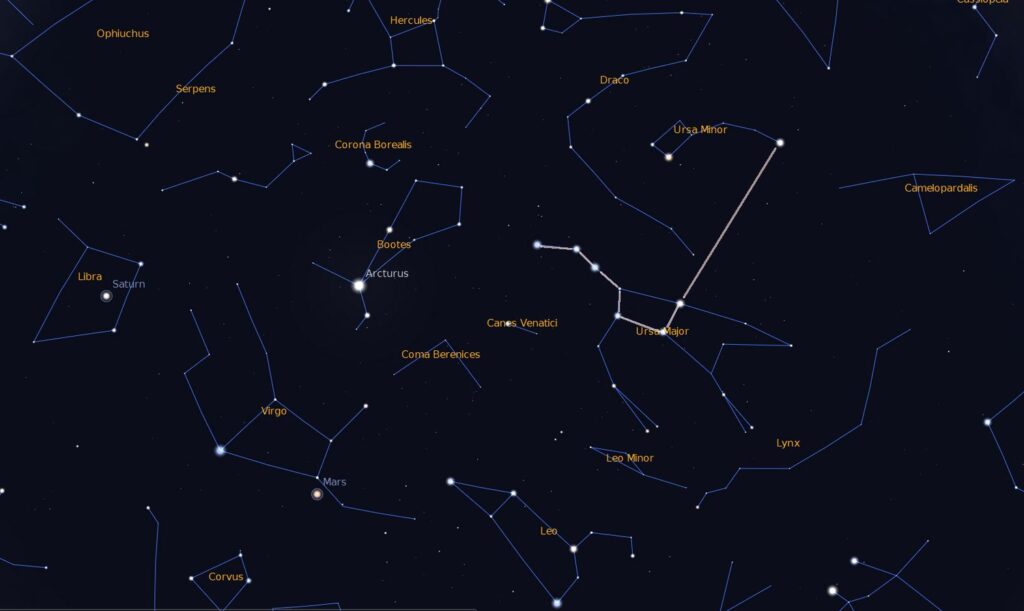
Spending time under the stars without any gear is a great way to learn. Use a star map or mobile app, lie on a blanket, and just observe. Get to know the major constellations and the movement of stars across the sky.
This will not only improve your celestial navigation skills but also help you appreciate what each telescope can and cannot do. You’ll become more intentional with your purchases, saving money and avoiding disappointment.
Step 6: Join Astronomy Communities
Astronomy clubs and online forums are filled with helpful advice, beginner guides, and even telescope reviews. Many local clubs also host public viewing events where you can test different telescopes.
Some great places to start:
- Cloudy Nights Forum (cloudynights.com)
- Reddit’s r/Astronomy
- Facebook astronomy groups
- Local observatories or planetariums
By connecting with others, you gain knowledge, tips, and encouragement—all without spending a dime.
Step 7: Make the Most of Accessories
Affordable accessories can enhance your stargazing experience:
- Barlow lenses: Increase magnification
- Moon filters: Reduce glare and improve contrast
- Smartphone adapters: Capture astrophotos with your phone
- Red flashlight: Preserves night vision while reading maps
These small add-ons make a big difference and are relatively inexpensive.
Step 8: Set Realistic Expectations
One of the biggest mistakes beginners make is expecting Hubble-level images from a $150 telescope. While today’s budget models are surprisingly capable, the images you’ll see are more subtle than the photos you see online.
However, the excitement of discovering Saturn’s rings with your own eyes or tracing the outline of the Andromeda Galaxy is something no photo can match. With the right expectations, even a budget telescope can feel magical.
Final Thoughts
Stargazing in 2025 is a hobby for everyone, not just for those with deep pockets. With budget telescopes for beginners, affordable binoculars, and free astronomy apps, you can begin your cosmic journey without breaking the bank. By starting small, learning consistently, and choosing the right equipment for your goals, you’ll build a hobby that’s not only educational but also deeply satisfying.
You don’t need to spend thousands to feel the wonder of the universe. You just need to look up, get curious, and take that first step under the stars.